

When you want to improve your smile, understanding the difference between restorative and cosmetic options can feel overwhelming. Two of the most effective and popular treatments for transforming damaged or aesthetically imperfect teeth are dental crowns and porcelain veneers.
While crowns and veneers can look virtually identical once placed, they serve very different clinical purposes. At Great Divide Dental, Dr. Benjamin Spiger works closely with patients to evaluate structural health, cosmetic goals, and long-term oral function before recommending the ideal restoration.
Here is a clear breakdown of what crowns and veneers are, how they differ, and when one option is better suited for your smile.
What Is a Porcelain Veneer?
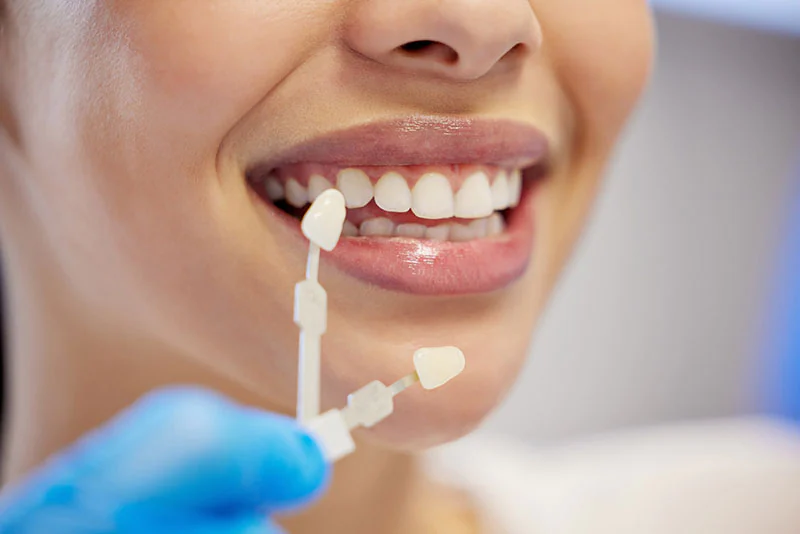 A porcelain veneer is an ultra-thin, custom-molded shell of dental ceramic bonded directly to the front surface of a tooth.
Veneers are primarily cosmetic treatments designed to improve the visual appearance of teeth visible when you smile. Because they focus on the front facade, placing a veneer requires minimal enamel removal—usually less than a millimeter—making it a conservative, minimally invasive option.
Common Issues Veneers Correct:
- Deep intrinsic tooth discoloration that resists professional whitening.
- Minor cosmetic chips or slight surface cracks.
- Gaps or uneven spacing between front teeth.
- Slightly misshapen, short, or worn-looking teeth.
What Is a Dental Crown?
A dental crown (often called a tooth cap) is a full-coverage restoration that encloses the entire visible structure of a tooth down to the gumline.
Unlike veneers, crowns are primarily restorative treatments designed to rebuild the strength, structural integrity, and shape of a tooth that has suffered substantial damage, decay, or trauma. Placing a crown requires reshaping the tooth on all sides so the ceramic cap fits comfortably and securely within your bite.
Common Issues Crowns Correct
- Teeth with extensive decay or large, failing fillings.
- Severely cracked, fractured, or broken teeth.
- Teeth that have undergone root canal therapy and need structural protection.
- Teeth heavily worn down by chronic night grinding (bruxism).
Key Differences Between Crowns and Veneers
While both treatment options enhance the look of your smile, crowns and veneers differ fundamentally across several key areas:
Coverage Area
- Porcelain Veneers: Covers only the front surface of the tooth.
- Dental Crowns: Encloses the entire tooth 360 degrees down to the gumline.
Primary Clinical Focus
- Porcelain Veneers: Cosmetic enhancement and minor symmetry tweaks.
- Dental Crowns: Structural reinforcement and functional tooth restoration.
Enamel Removal Required
- Porcelain Veneers: Minimal enamel removal (typically 0.3mm to 0.7mm).
- Dental Crowns: Moderate tooth reshaping across all sides of the tooth.
Restoration Thickness
- Porcelain Veneers: Thin ceramic shell (approximately 0.5mm thick).
- Dental Crowns: Thicker ceramic wall (approximately 1.5mm to 2mm thick) built to handle heavy forces.
Bite Support & Durability
- Porcelain Veneers: Best suited for teeth under light biting pressure (primarily front teeth).
- Dental Crowns: Built to withstand heavy chewing forces (canines, premolars, and back molars).
When Are Dental Veneers the Better Choice?
Veneers are ideal when your underlying tooth structure is healthy, strong, and intact, but you want to address cosmetic imperfections.
- You Want a Cosmetic Smile Transformation: If you are happy with the health and function of your front teeth but want a brighter, more symmetrical smile, veneers deliver dramatic aesthetic improvements.
- Minimal Tooth Modification Is Desired: Because veneers require removing only a tiny layer of front enamel, they preserve as much natural tooth structure as possible.
- The Problem Is Surface-Level: For minor chips, superficial gaps, or stubborn stains on healthy teeth, a veneer provides an elegant solution without unnecessary enamel reduction.
When Are Dental Crowns the Better Choice?
Crowns are necessary when a tooth has compromised structural strength and needs reinforcement to handle daily chewing.
- The Tooth Is Weakened or Structurally Compromised: If a tooth has a deep fracture, advanced decay, or a massive filling that leaves little natural enamel, a veneer will not provide enough protection. A crown binds the tooth together.
- After Root Canal Treatment: A tooth that has undergone root canal therapy becomes brittle over time. A crown shields the tooth from fracturing under pressure.
- Heavy Biting or Grinding Load: For back teeth (molars and premolars) or teeth subjected to severe wear, crowns offer the durability required to withstand high impact.
Discover Your Path to a Radiant Smile at Great Divide Dental
Whether you need the cosmetic refinement of porcelain veneers or the structural protection of a custom crown, choosing the right treatment starts with a thorough clinical examination and an honest conversation about your goals.
At Great Divide Dental in Helena, MT, Dr. Benjamin Spiger evaluates the health, alignment, and long-term vitality of your teeth to help you choose the restoration that best supports your health and confidence.
Ready to discuss your options for a stronger, brighter smile? Contact Great Divide Dental today to schedule your consultation!